
How our schools are tackling food waste
-
Schools are turning food scraps and surplus into learning opportunities that reduce waste and build practical life skills.
-
From crunchy croutons to chicken feed, students are finding creative ways to give food a second life.
-
Small, hands‑on actions at school are helping children learn to value food and care for the environment.
From surplus bread and used coffee grounds to produce past its prime, Kitchen Garden Program schools are finding creative ways to give food a second life — reducing waste, enriching soil and teaching students practical, lifelong skills.
No loaf left behind
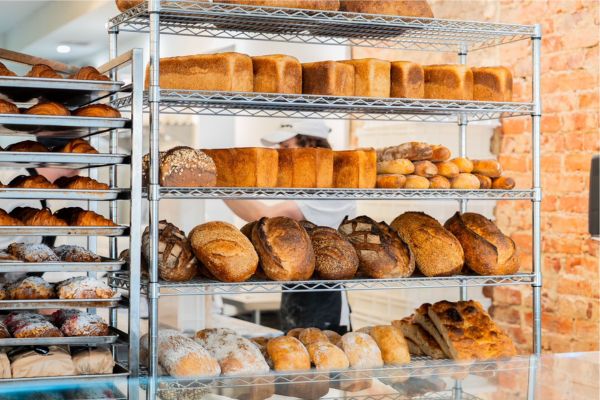
In Adelaide, on the land of the Kaurna people, award‑winning bakery Prove Patisserie ensures not a single loaf of its famous sourdough goes to waste, thanks to its partnership with Trinity Gardens School.
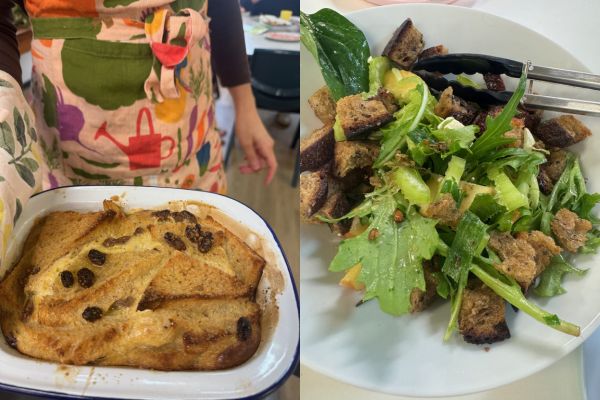
Any leftover bread is donated to the school’s Kitchen Garden Program, where students transform it into crostini for beetroot hummus, bread‑and‑butter pudding, or crunchy croutons for apple salad.
Extra loaves are passed on to the Out-of-School Care program, which sells the bread to parents at pick‑up time. All proceeds are reinvested in the Kitchen Garden Program. Last year, those funds helped purchase a worm farm that now processes organic waste from across the school and enriches the garden soil.
“It’s a win–win,” says Prove co‑founder Anna Rogers. “We’re not wasting our product, parents can easily grab something at pick‑up, and all the proceeds go straight back into the program.”
Students have also visited the bakery for hands-on workshops, and staff members volunteer during kitchen classes at the school, strengthening ties between the bakery and the program.
Anna, whose daughter attends the school, played a key role in getting the Kitchen Garden Program off the ground.
“It’s such an important life skill,” she says. “Not everyone has been on a farm or understands where food comes from. This program isn’t just about food; it also builds numeracy and literacy. I believe it should be in every school.”
From the local cafe to the compost heap
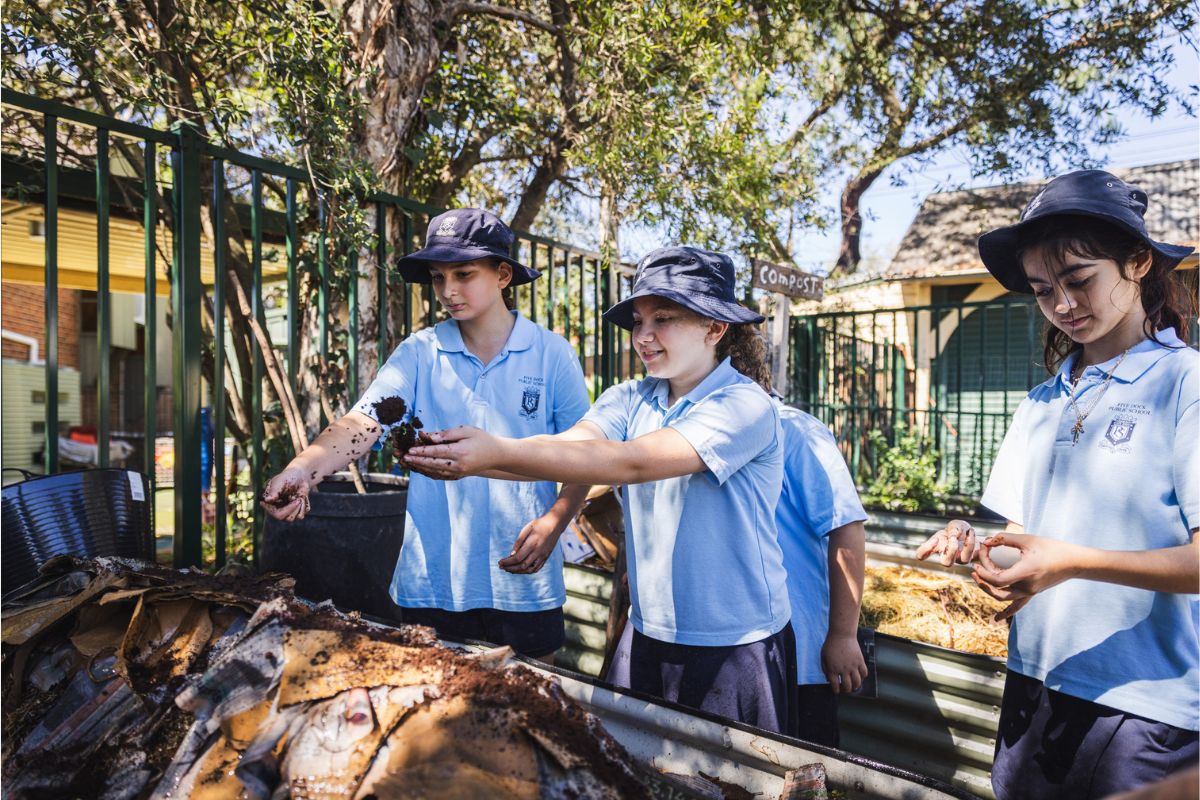
At Five Dock Public School, on the land of the Wangal people in New South Wales, the compost heap is thriving thanks to a steady supply of used coffee grounds.
Kitchen Garden Program coordinator Karl Sharp collects buckets of the used coffee grounds from a nearby café, Dino’s Five Dock.
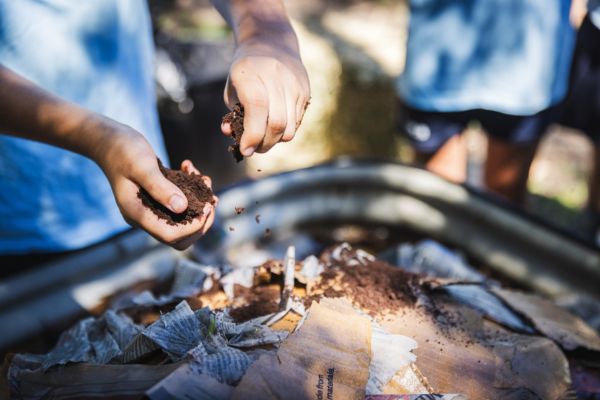
“You don’t need too much. For a large compost heap, we use a bucket full,” says Karl. “The local café was more than happy to save it for us. I go there a few times a week, so they know me. I’ve been doing this kind of thing for over ten years, and we have a great community here.”
Containing nitrogen and potassium, coffee grounds speed up the decomposition process, and are also ideal for worm farms, helping students see food waste as a valuable resource rather than rubbish.
Fit for a flock
At St Joseph's Catholic Primary School in Werribee, Victoria, on the lands of the Bunurong, Wadawurrung and Wurundjeri Woi Wurrung people, even the chickens benefit from rescued food.
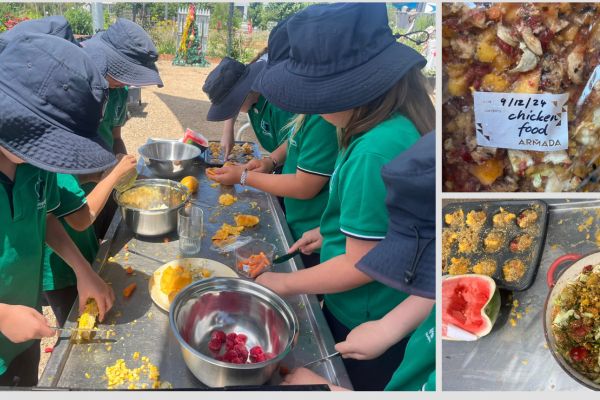
Garden educator Elizabeth McPherson collects surplus fruit and vegetables from a local supermarket — produce that would otherwise be sent to landfill. Leafy greens, bananas, pumpkins, berries, cabbage, carrots, mangoes, herbs and watermelon are all turned into nutritious chicken treats.
The students help prepare the food, practising knife skills while chopping fruit and vegetables into “chicken treat ice blocks” for warmer days.
Small actions, big impact
And these examples are just the beginning. Across the Kitchen Garden Program, children are finding inventive ways to fight food waste every day. At St Michael’s College (SA) and Laggan Public School (NSW), students regrow carrots, spring onions and leeks from food scraps.
Zuccoli Primary School (NT) embraces low‑waste cooking with recipes like pickled watermelon rind and strawberry‑top tea. Many schools and early childhood services also make the most of community donations by preserving lemons, making passata, and cooking up jam and chutney for fundraisers.
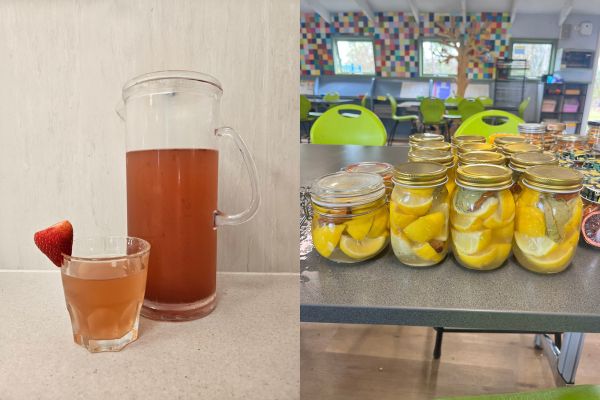
Together, these small, hands‑on actions add up to something powerful — helping children understand the value of food, care for the environment and see that reducing waste starts right where they are.
Keen to fight food waste by bringing the Kitchen Garden Program to your school or early childhood service? Join a free info session.
Can’t wait? Get in touch with the Kitchen Garden team at 1300 072 543 or membership@kitchengardenfoundation.org.au to get started today.
< Back to Latest News